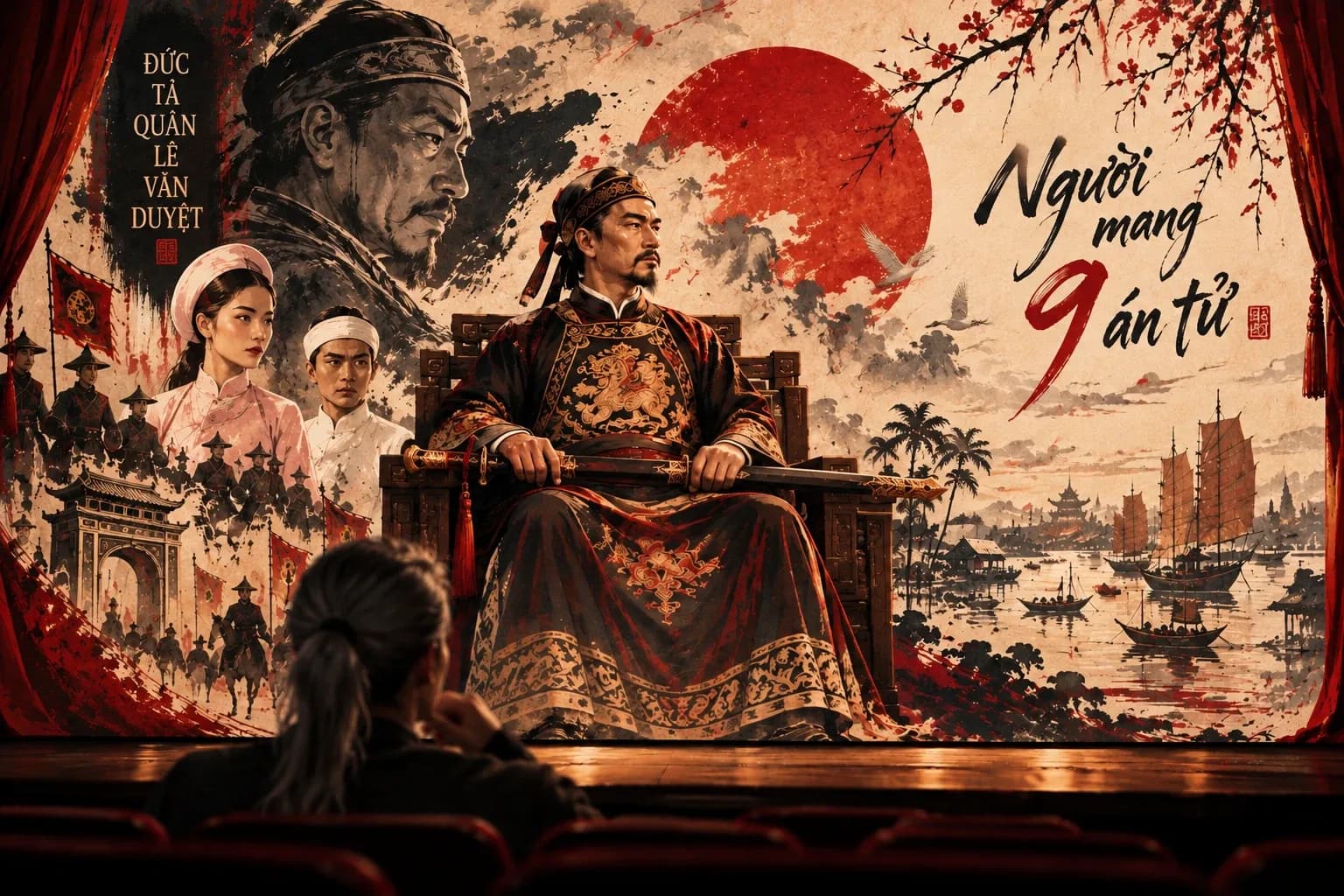
The Man Who Carried Nine Death Sentences: What I Carried Into the Theater
01 / Since when did Gia Định become "us"?
To be honest, I didn't come to know Lê Văn Duyệt much earlier than you did.
When I finished high school, I still didn't know who Lê Văn Duyệt was, or what kind of figure he had been. Then I moved to Saigon. As a student, I didn't even understand the name "Lăng Ông - Bà Chiểu" correctly. I thought "ông bà Chiểu" meant a family, Grandpa and Grandma Chiểu, when it actually means the Lord's Tomb in the Bà Chiểu area. And I went on thinking that for years. I'm not originally from Saigon, so I never just grew up knowing about that tomb and its own story.
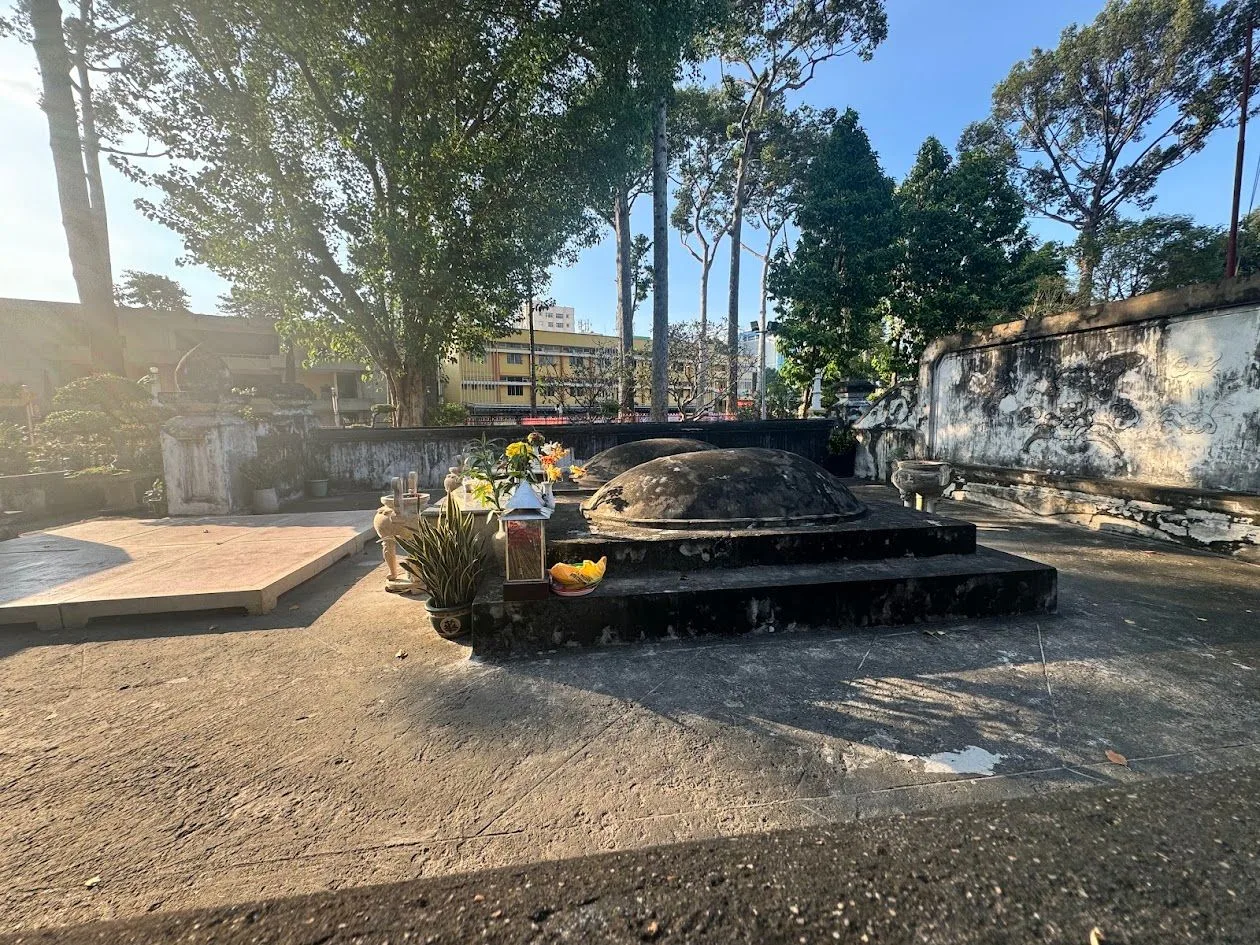
The folk stories about him reached me by chance one day. I was watching YouTube, listening to Uncle Trung Dân, a veteran Vietnamese actor, talk about the culture of old Gia Định, including casual sayings passed down by word of mouth, like: "You dare to swear? Go swear in front of Lord Lê Văn Duyệt's tomb, wring a chicken's neck, and if you're still alive after that, then I'll believe you."
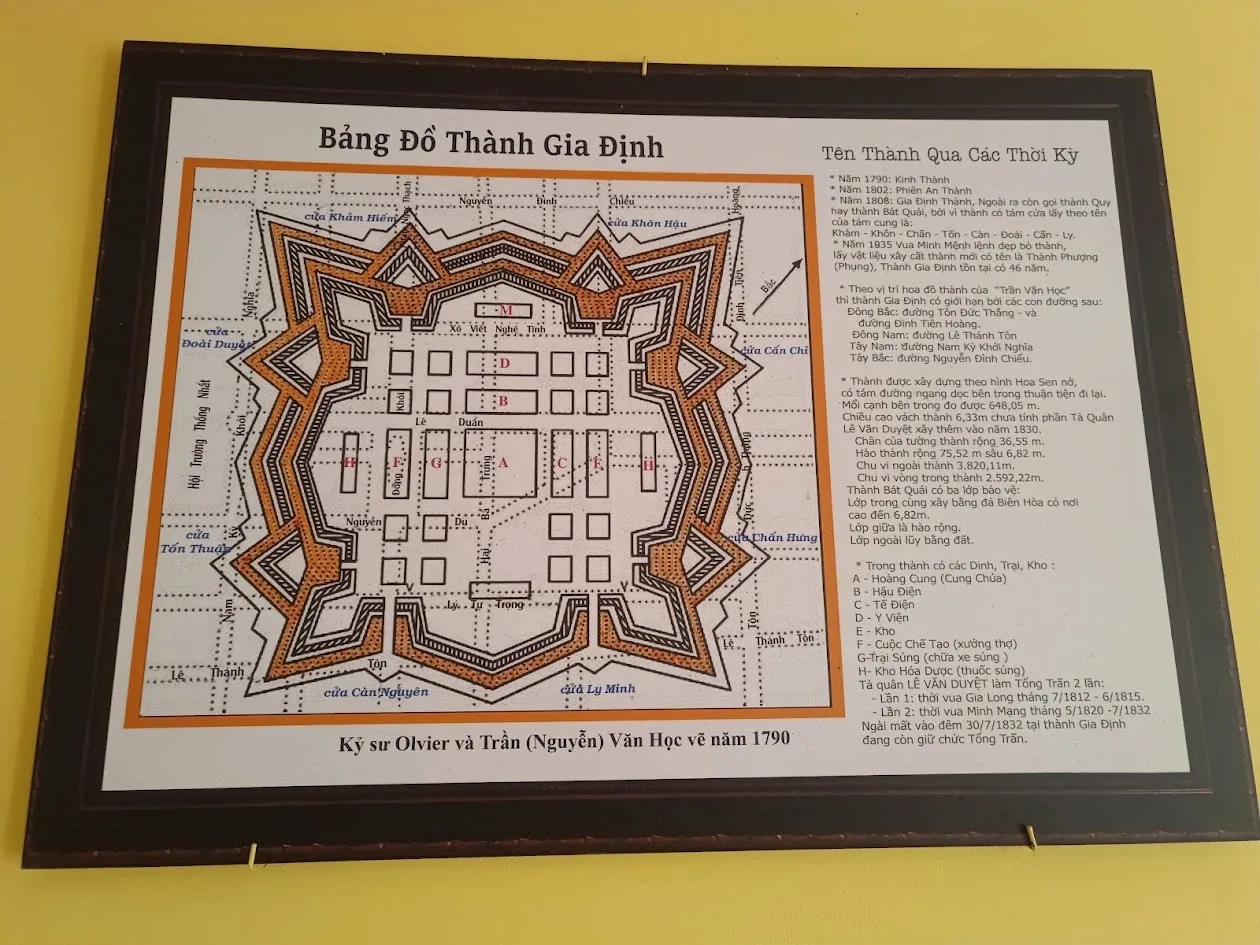
Then came small stories about his contributions as Governor-General of Gia Định Citadel, his role in keeping this land stable, and his dealings with neighboring countries.
So what is Gia Định? Since when did Gia Định become "us"?
It wasn't entirely by chance, either. I traveled to many places, stopped at many spots, and read history from the Trịnh-Nguyễn civil war between two rival ruling houses, through the upheavals of the late Later Lê and the Tây Sơn, until the country was unified under the Nguyễn dynasty. Gia Định shows up again and again. The stories around it built layer after layer of background, so that one day, when I read about Lê Văn Duyệt, a man who was upright and fought hard against corrupt officials, he no longer felt like one of those generic models of virtue and integrity we keep hearing praised.
Not a Judge Bao, and not one of those templates of loyal, unbending heroes from ancient China. This was a different case. Unique.
He was simply Lê Văn Duyệt.
02 / Layers of material
From there, I had built up plenty of material to bring with me into stage works about Lê Văn Duyệt, whether spoken drama or cải lương.
From that moment on, "Người mang 9 án tử" was no longer just "a work of art that celebrates loyalty, courage and integrity, fighting foreign invaders outside and corruption and wrongdoing inside." It was much more than that.
To me, the limit of how we appreciate art is not how many art forms a person can sample, the more the better. It is how deeply they really know how to contemplate a work. I believe experiencing art takes a lot: the mindset you walk in with, where you place your emotions, how you follow the plot, your depth, your material, and the things that are still "alive" inside each of us. Those are what really make up the "end-to-end work" that art can deliver.
A good work can serve many layers of emotion, creating compounds and solvents that let us reach as much "humanity" as possible. That is where it brings very practical, very humane value to life.
Whenever I face a work with room to move me deeply, I ask myself: how many layers of material do I have in total, how deep does my inner strength go, and how much of the value this work offers can I take in? Or at least, how much value does the work create the solvent for, so that I can bring it to myself, indirectly?
"Người mang 9 án tử" is where all that material comes together: the trips, the experiences, the stories I have heard, the stone tombs and the layers of earth and sand that seem to hold only lifeless or spiritual meaning. They come together to build a one-of-a-kind "Người mang 9 án tử" that I am sharing with you.
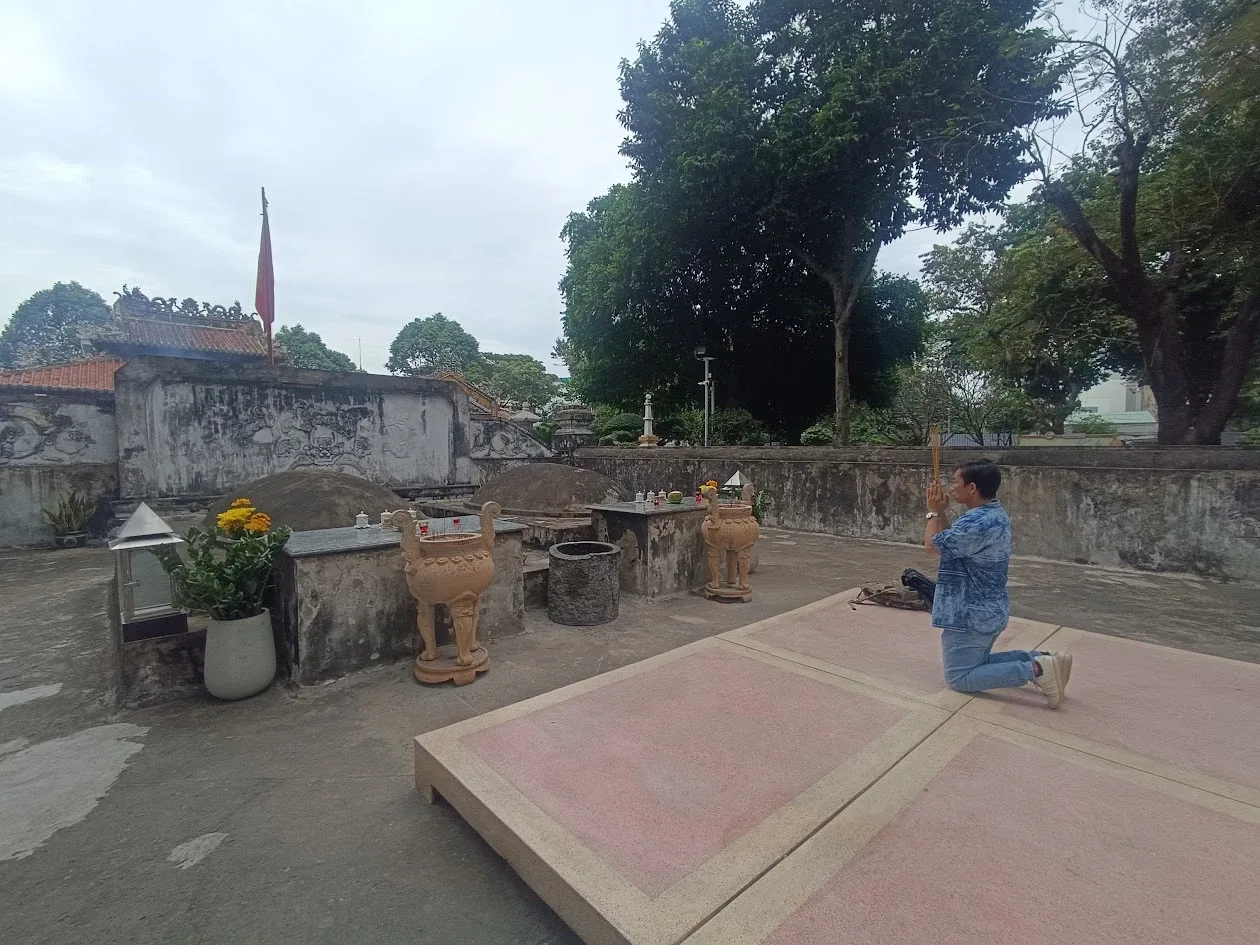
In other words, the things we have lived through and spent time on are never simply wasted. They are still there, sometimes unorganized, still messy pieces of material. If you know how to carry them with you into the "old Gia Định", the place we call the stage, they can be put back in order and help you absorb the work in a way the work itself could never fully predict.
03 / Shall we travel?
It is not only the people on stage who are artists. Each of us can take part as one of the pieces that make up the production. That mindset is the first thing you need to prepare.
Shall we travel?
In your memory, through pictures or stories you have heard, what was old Saigon - Gia Định like? Whether you know a lot, a little, or nothing at all, why not use this chance to "travel back in time" and see "the old days" through at least one lens, one slice?
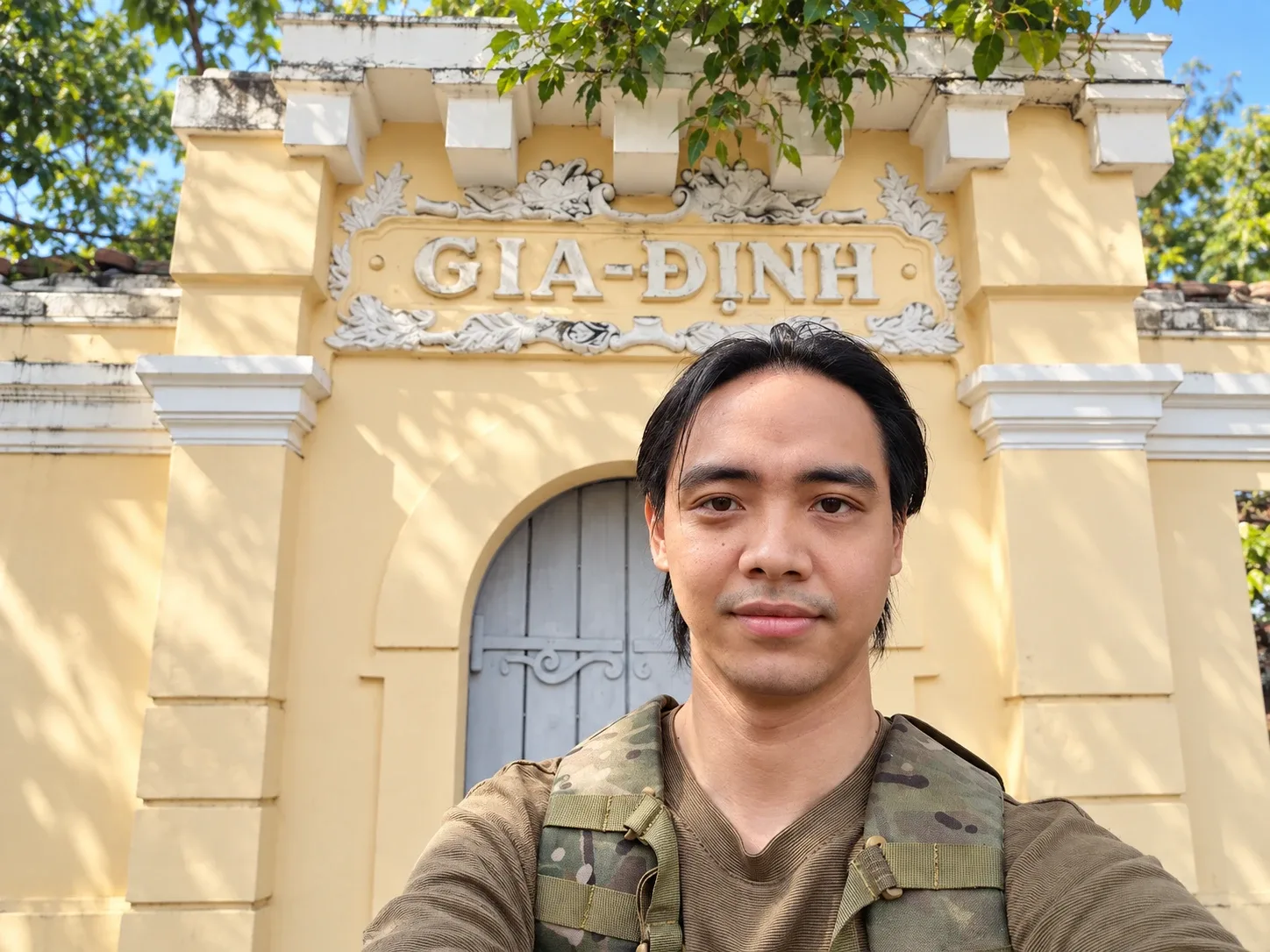
I have asked myself many times whether it would be smart to turn down an occasion like this and treat it as ordinary entertainment.
How?
The artists lead us by becoming their characters. Our job, I think, is much simpler.
Try becoming someone who lived in that very time. Especially with "Người mang 9 án tử", the distance in time is not so great that our imagination cannot cross it. Instead of sitting there as someone in a modern office suit, try watching the inner politics of that era as a person living through it.
Believe me, it will change your experience a lot.
You lose nothing, right? Why not try? At worst, it just gives you another layer of experience. And at least, it worked for me.
Trust me, you can absolutely be an actor too.
The art inside you is much bigger than you think; the only question is how much you can really "put down" in order to "join the play."
04 / The stage should be where it begins
I should say up front that the impressions that follow come from the first time I watched the play on a screen. That took away a lot of my own "room to act", because some of the conditions for taking part in a performance are things a recording cannot fully give.
Even so, I was completely taken by it.
To be fair, though, a good work only makes people want more, and then more.
Human nature is greedy, after all. If the team is confident in the quality of their stage, a recording can even be a way to peel off one layer to introduce the work: like a demo, a trailer, not a replacement for the whole production. This is just my own view; I have no wish to referee the debate about stage culture, past and present.
And ironically, to be a little blunter: if they aren't confident they can deliver more than what the "trailer" already showed, then maybe they are only just good enough to be right. That's all, right?
And after watching, I couldn't shake the thought that I was greedy, that I wanted to sink deeper into that world. In that sense, for me, the stage should be where it begins.
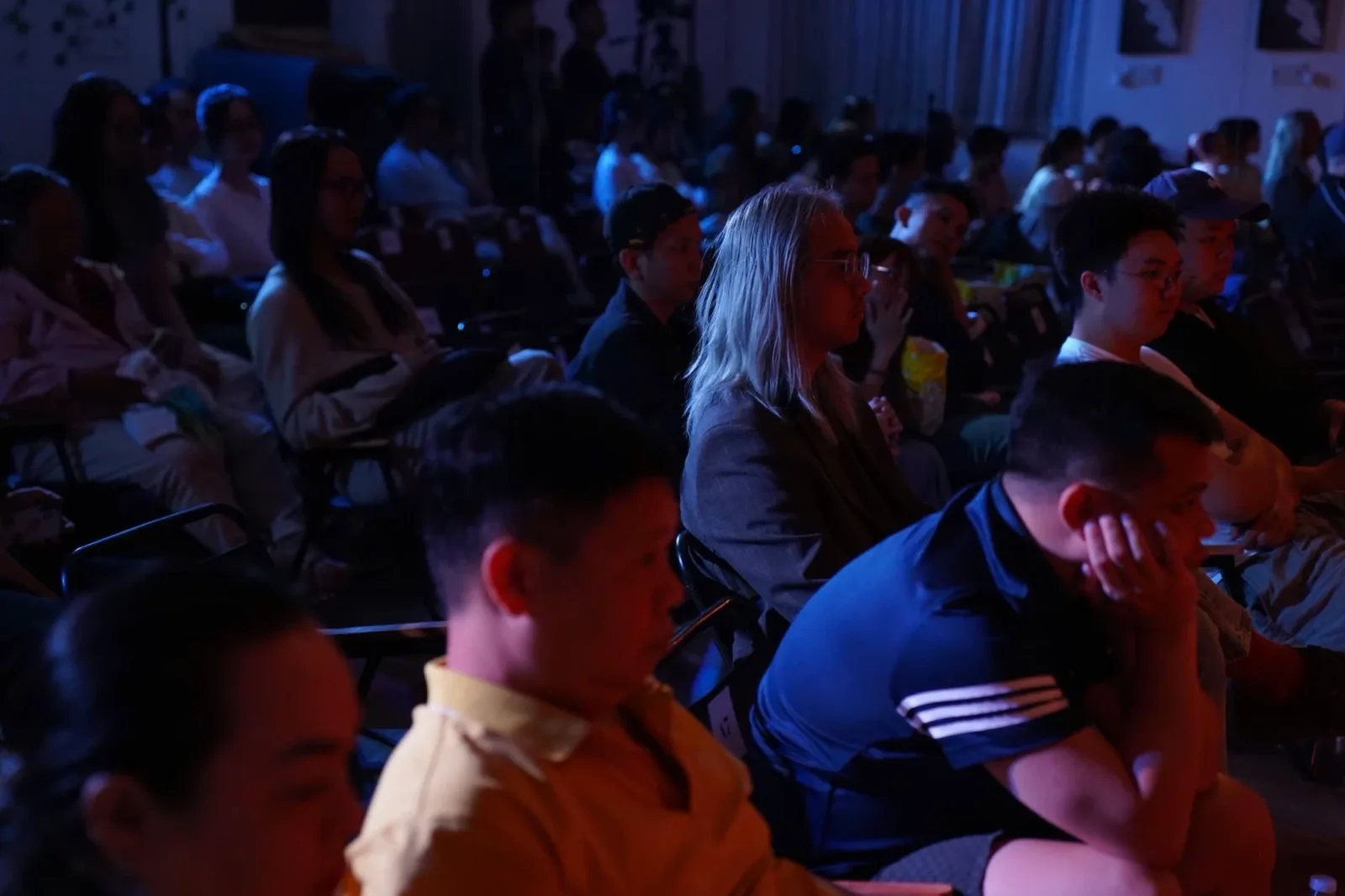
Read more / The scenes that stayed with me
This part mentions scenes, plot points and the ending of "Người mang 9 án tử". If you don't want to know them yet, you can skip it without missing anything from the main piece.
Let me share a little more about what struck me in the play, through what I personally took away from it. Because for me, "the content" has never been entirely "the stage."
Paintings that begin to move
"Minh Mạng steps out to open the show, proclaiming the man who carries nine death sentences."
Beautiful. Like relief carvings. One look and you see the story, the allusions, the classical references. Beautiful, easy to understand, something anyone can enjoy. Art doesn't have to be academic to be art.
Then every footstep, every drumbeat following Emperor Minh Mạng's steps. The characters and conflicts are built in a straight line, and each scene settles into one of those "beautiful paintings." On and on like that, it feels like a real art exhibition.
When he missed Gia Định, I missed it too
Phong xuy dương liễu Tam Giang tĩnh,
Nguyệt bính mai hoa ngũ dạ hàn.
Điệu cấp hoạn tình tăng khảng khái,
Thanh thê lữ mộng kỷ bàn hoàn.
From "Ngưu Tân ngư địch" (牛津漁笛), The Fisherman's Flute at Bến Nghé, by Trịnh Hoài Đức (1765-1825). Ngưu Tân is another name for Bến Nghé, the old Saigon riverside. Roughly: wind in the willows, the Three Rivers calm; moon and plum blossoms through the cold night watches; the flute's quick tune stirs an official's heart, its sad notes keep circling a traveler's dream.
That's right, this is one of the 30 poems in the cycle "Thirty Views of Gia Định" (Gia Định tam thập cảnh), kept in the collection Cấn Trai thi tập. The poet once served as Minister of Personnel under the Nguyễn dynasty.
When Lê Văn Duyệt recites those lines to show how much he misses Gia Định, I could feel it and share that longing. Soon after, inside that same painting, comes a flashback to the battles he once fought alongside the late emperor, Gia Long.
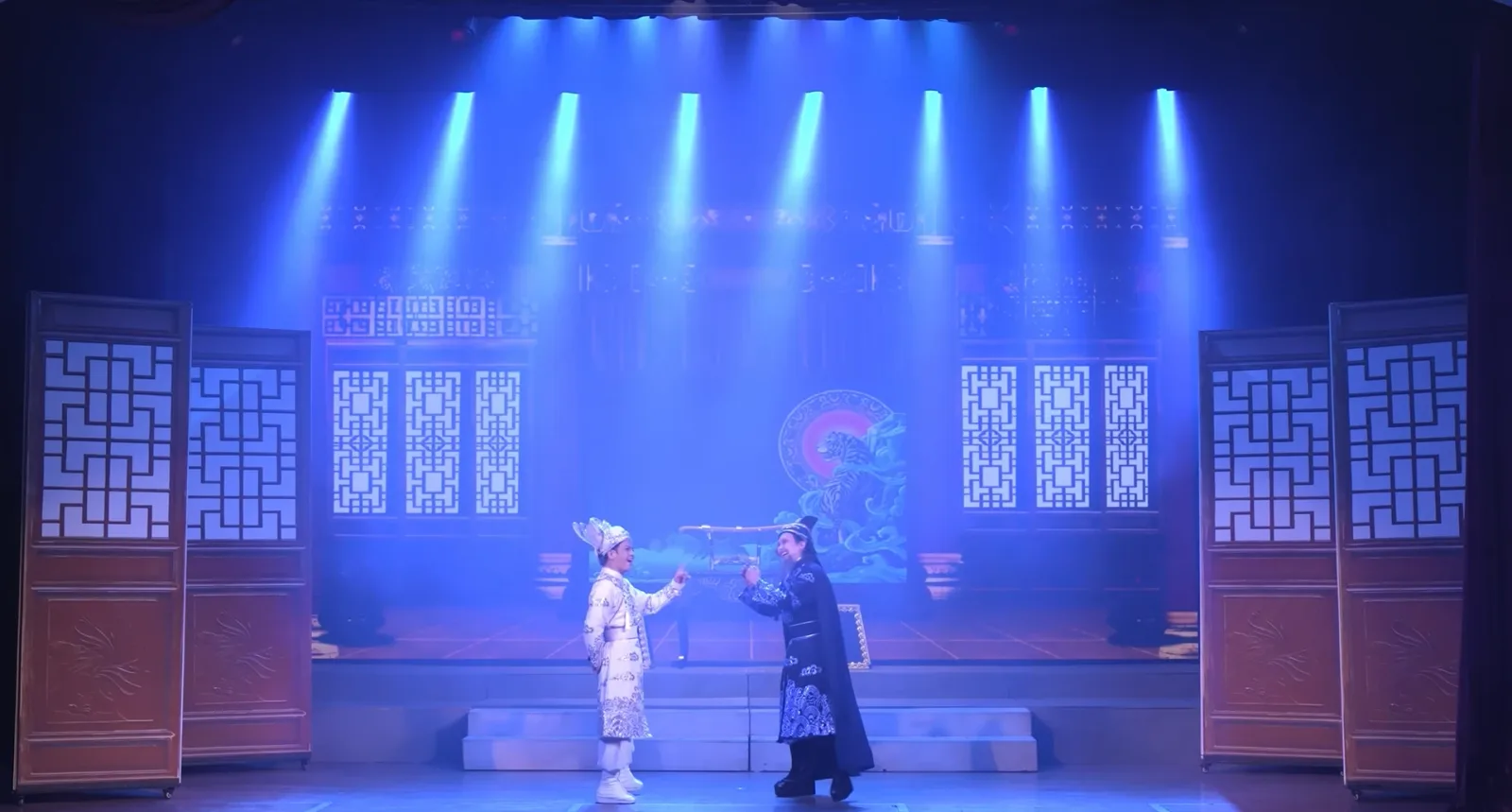
For me, it brings up the heavy smell of salt from the Quy Nhơn estuary, the legendary battle at Thị Nại lagoon long ago, and all the brushes with death tied to Gia Định. At this point, in my memory, Võ Tánh, Nguyễn Huỳnh Đức, Châu Văn Tiếp, even Đỗ Thanh Nhơn... all gather at once.
Right then, I am just like Lê Văn Duyệt: I miss them.
"Act at your own discretion"
Then comes the scene where Emperor Minh Mạng issues a decree sending Lê Văn Duyệt back to serve a second time as Governor-General of Gia Định, with the order "TÙY NGHI HÀNH ĐỘNG", act at your own discretion. The eyes, the trembling, the cold sweat of political calculation, and the position of a young emperor facing a founding hero of the dynasty: a man who had fought for years beside his father, who had a voice and real power, and who, as the play tells it, had once not backed him for the throne.
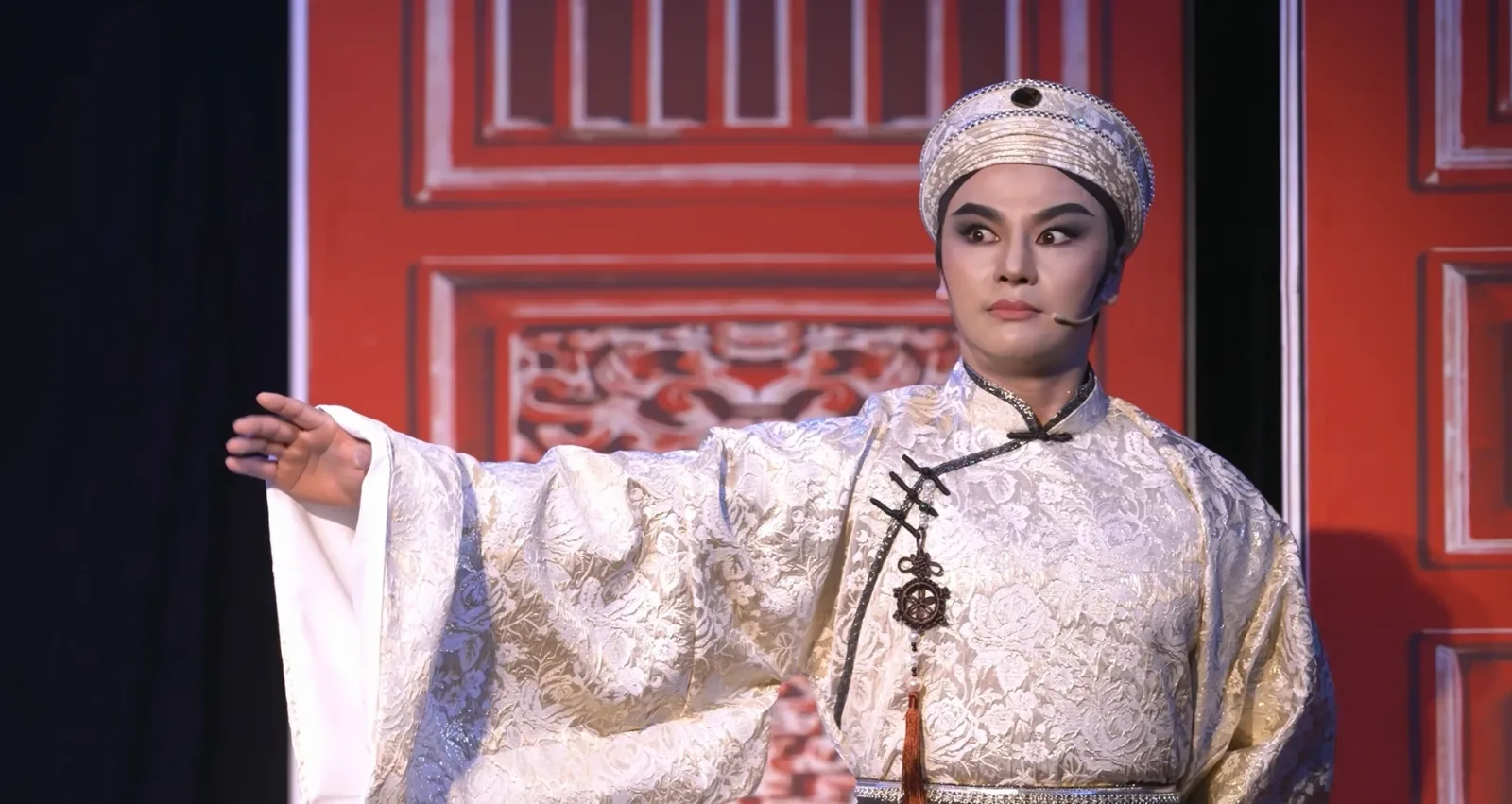
Then the orders I remember from the play: "report for duty with the army in three days", "URGENT MATTERS NEED NOT BE REPORTED FIRST."
For me, all of Minh Mạng's inner thoughts were built up and shown well right here, not only later when he declares the nine death sentences.
A play within a play
Next is the hát bội (classical Vietnamese opera) segment based on the story of Lý Đạo Thành judging Empress Thượng Dương, a layer of theater I connect with "Câu thơ yên ngựa" (The Poem on the Saddle), set in the Lý dynasty, about how, since ancient times, ruling a country means setting personal feelings aside for the common good. People who love cải lương will not find that play unfamiliar either; it is a famous piece, much loved and often restaged on special occasions and at Tết, the Lunar New Year...
Hát bội is one of the layers I found really well brought in. To me, it appears partly like a dream, or like a play that Lê Văn Duyệt and his wife are performing: a play within a play.
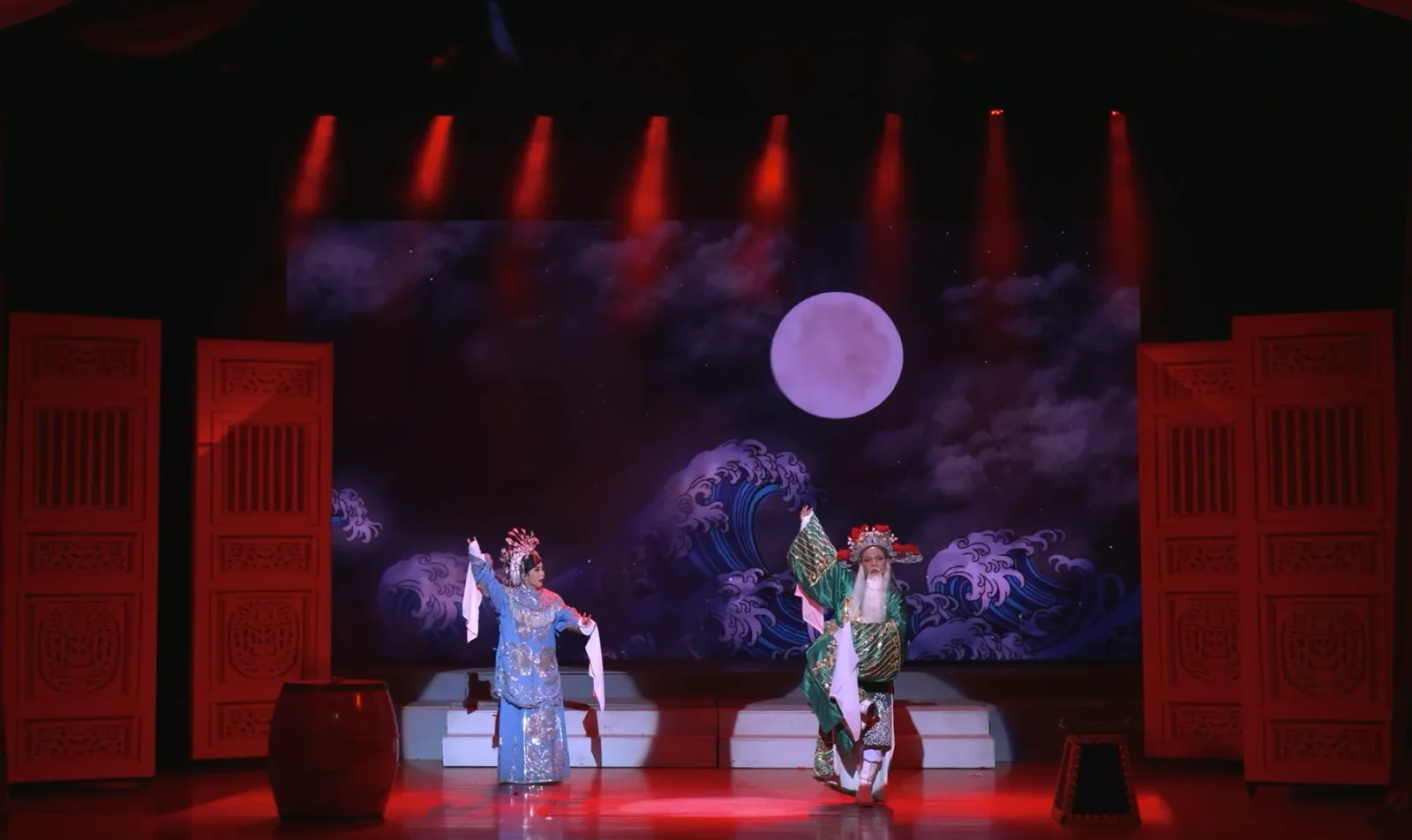
From what I have read, Lê Văn Duyệt loved watching classical theater in his lifetime. The hát bội in the play both points to an art form he loved and is borrowed as a vehicle: looking at old stories to examine one's own.
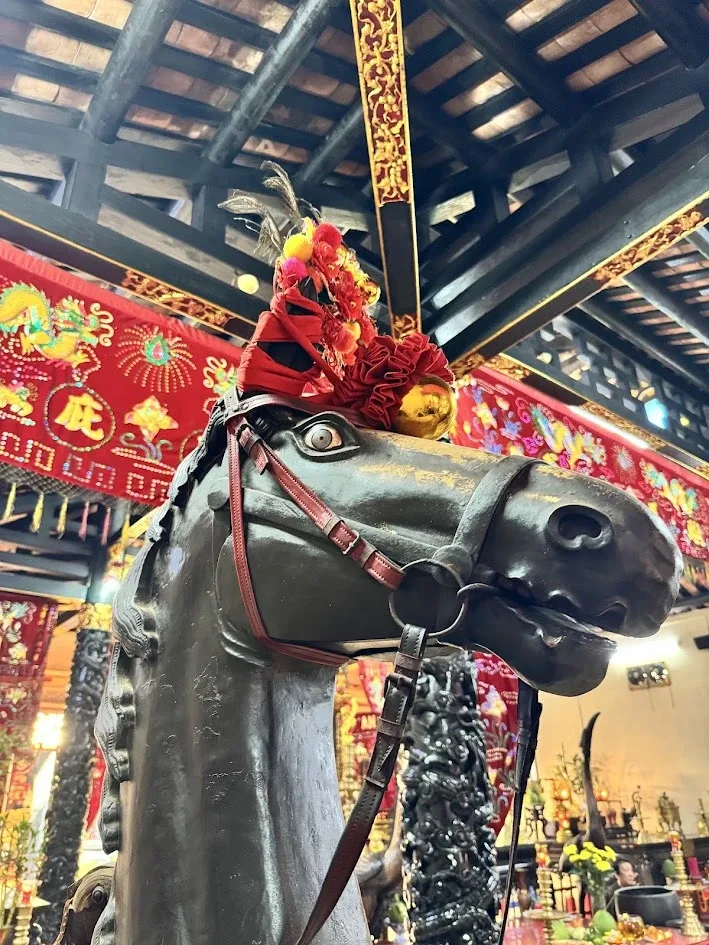
I have also been to Lăng Ông, gone inside, and found "stage masks" like these. Very evocative. I don't know how old they are, whether they have always been there or were added by later generations.
Clearly, just as we watch Lê Văn Duyệt today, Lê Văn Duyệt once watched Lý Đạo Thành.
And later on, who will watch "the people we are"? Whether there will be anything worth watching is still something to wonder about. So there it is!
A Lê Văn Duyệt inside Minh Mạng's mind
The next highlight is the stylized scene of Emperor Minh Mạng's inner monologue, followed by a stylized exchange and confrontation between Minh Mạng and Lê Văn Duyệt. I see Lê Văn Duyệt here as the Lê Văn Duyệt inside Minh Mạng's own mind, more than a real man facing him in person.

Then, as the play presents it, the strength of the kind of emperor Minh Mạng thought he should be forces him to accept a compromise and decide not to carry out the nine death sentences.
He chooses to lose so that he can win in the end.
Carving a statue
And a truly tragic yet heroic ending: Lê Văn Duyệt seated on a chair, a sword laid across his knees, a pose already carved into the statue we still see today. Here, did the team carve it one more time?
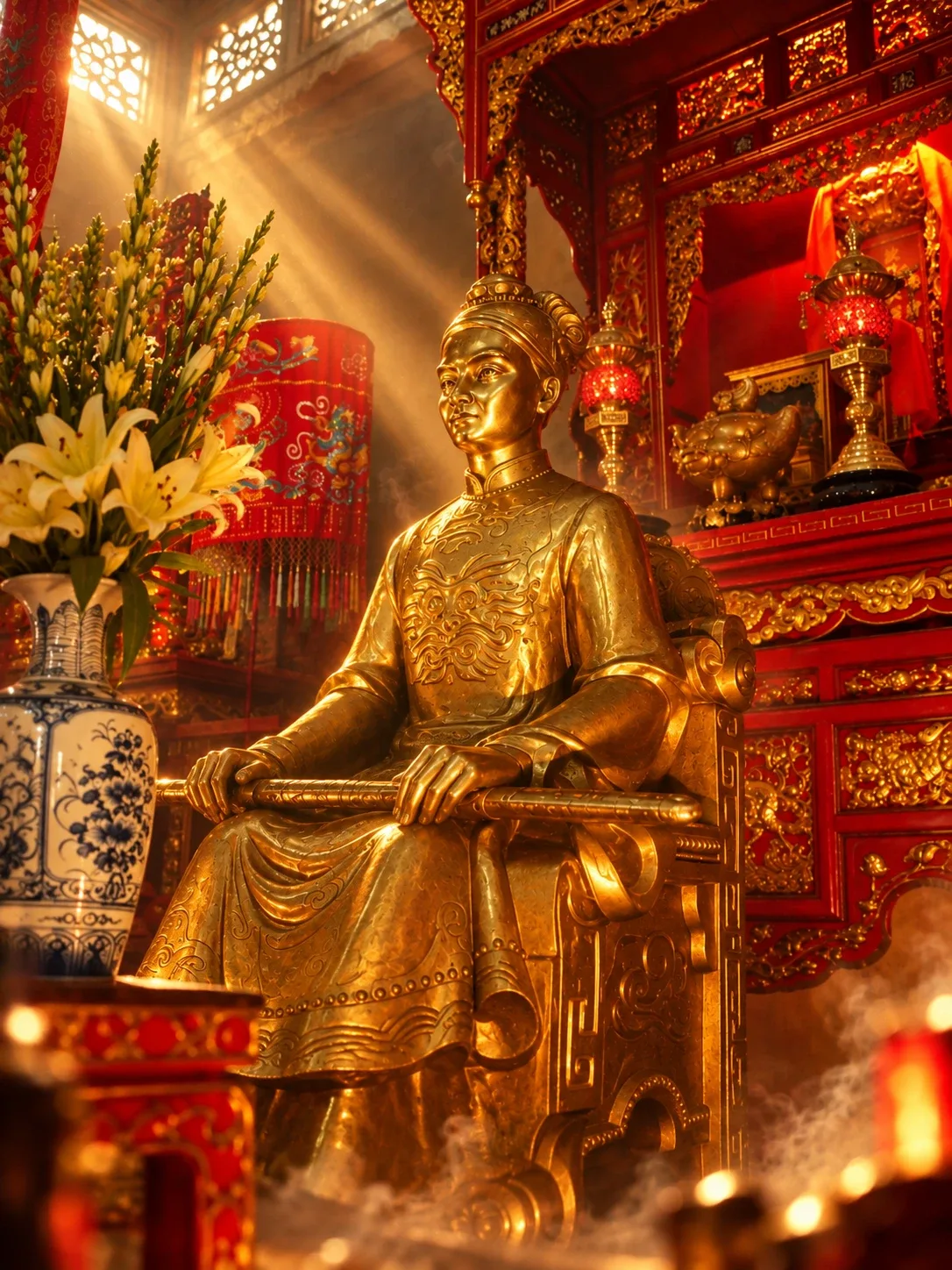
And for us, ask yourself: how many times have we carved our own statue?



Comments